





In a cleaning business, the first impression isn’t just about how well you clean — it’s about how you communicate before, during, and after that first job. Most cleaners think the sale ends when a new client books. In truth, that’s where the real work begins.
Your first seven days with a new client set the tone for your entire relationship. If you handle those early interactions with care and confidence, you create trust, ease, and professionalism — the kind that turns a one-time cleaning into a recurring account. If you miss the mark, though, that client often quietly moves on.
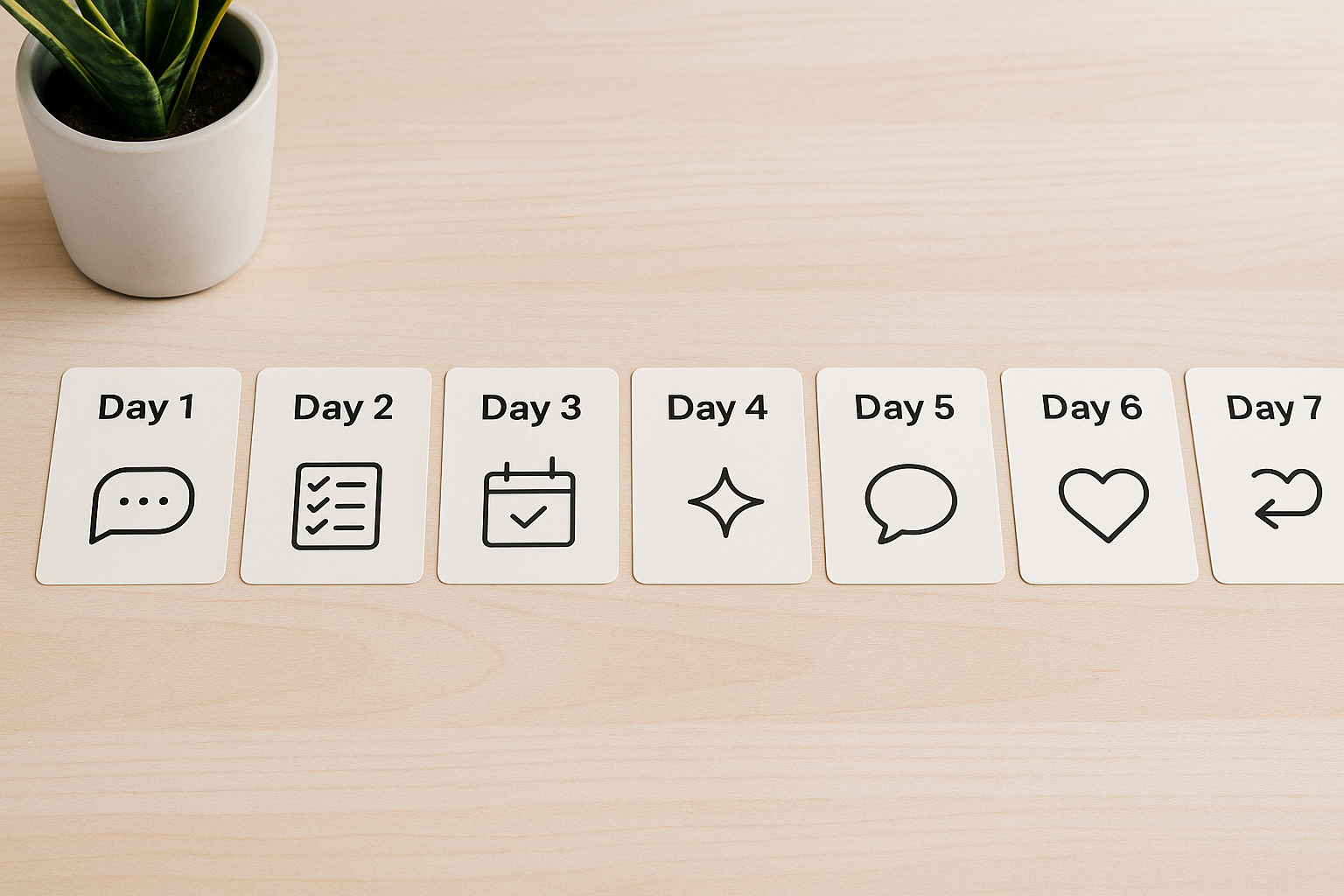
This is your seven-day plan to guide new clients smoothly through their first experience — showing them they made the right choice, and laying the foundation for long-term loyalty.
Day 1: A Thoughtful Welcome Builds Trust Immediately
Once a client books, your response speed and tone determine how secure they feel. The silence between their payment and your acknowledgment is where doubt creeps in. That’s why every onboarding plan starts with a clear, personal, and prompt welcome.
A quick email or text that thanks them for booking, confirms their appointment, and outlines what will happen next sets you apart. It doesn’t have to sound corporate — just confident and organized. For instance, you might write:
“Hi Jordan, thank you for booking with BrightSpace Cleaning! We’re looking forward to your first service on Thursday at 9:00 AM. We’ll follow up soon to confirm access details and any preferences you have. Please reach out if there’s anything special you’d like us to note before the visit.”
That one message does three things: it reassures them you’re paying attention, reminds them when to expect you, and begins to establish the professional rhythm they can rely on.
Day 2: Confirm Details and Clarify Expectations
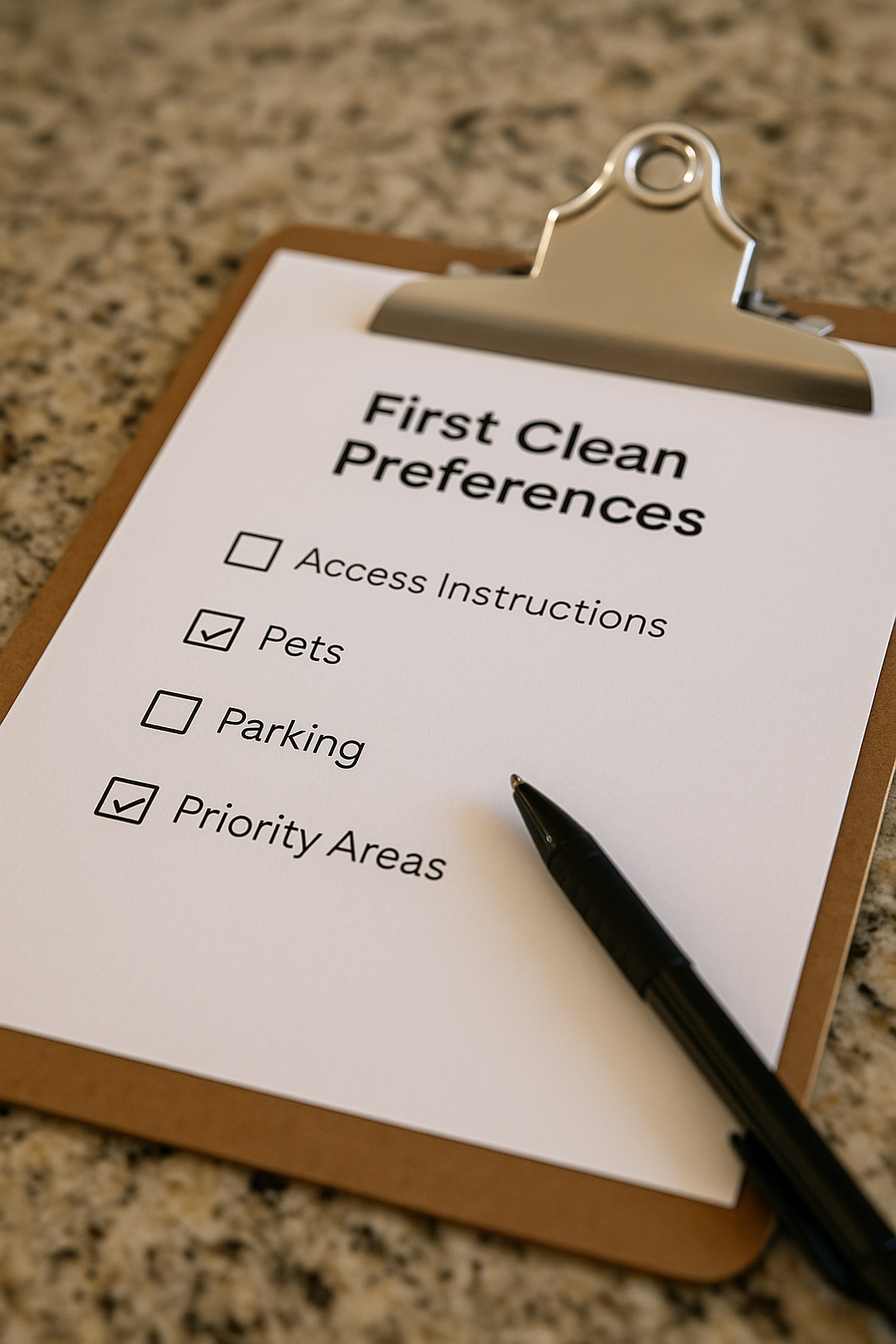
Within the first 24 hours after booking, follow up to gather the information that ensures a smooth first visit. A short phone call or an organized checklist form shows professionalism and helps prevent surprises.
Ask about access instructions, parking, pets, or any specific cleaning priorities. Most clients appreciate being asked what matters most to them — maybe it’s pet hair on the couch, smudges on mirrors, or baseboards they’ve neglected. The key is to sound genuinely curious, not procedural.
When you confirm these details, you’re not only gathering logistics. You’re showing respect for their home and their time. That small step is one of the most effective ways to prevent misunderstandings on cleaning day.
Day 3: Remind Them You’re Coming — and Keep It Friendly
The day before the cleaning, send a short reminder. Clients are busy; they forget appointments, rearrange schedules, or simply lose track. A friendly message the day before helps avoid last-minute cancellations and demonstrates reliability.
You might say something like, “Hi Jordan, just a quick reminder we’ll see you tomorrow at 9:00 AM for your first cleaning. Please let us know if there’s anything you’d like us to pay special attention to!”
Simple, human, and proactive. You don’t need to sound automated — your goal is to sound reliable. This kind of small communication habit will save you from countless miscommunications down the line.
Day 4: Deliver a First Clean That Feels Like a Partnership

When you finally arrive for that first clean, remember this: you’re not just cleaning a home — you’re setting a standard.
Clients often judge the professionalism of your business in the first five minutes. Your appearance, punctuality, and organization speak louder than anything you say. Show up on time, greet them warmly, and restate any special requests they mentioned earlier.
If you have a small team, make sure they’ve read the client’s notes. Walking in informed makes your client feel cared for. During the cleaning, follow your process, but don’t forget the small touches. Straighten items neatly. Arrange pillows. Leave behind a thank-you card.
The first visit isn’t about perfection — it’s about showing that you’re dependable and attentive. A client who trusts your professionalism after that first appointment will be far more likely to book again.
Day 5: Ask for Feedback — Not a Review
This step separates professionals from amateurs. Many cleaners rush to ask for a Google review right away. But the smarter move is to ask for private feedback first.
After the first cleaning, send a simple message to check in. “Hi Jordan, I just wanted to make sure everything met your expectations today. If there’s anything we can improve for next time, please let me know — your feedback helps us serve you better.”
This small act gives you an early chance to fix problems and build trust. If the client responds with something negative, handle it gracefully and fast. If they’re happy, you’ve just opened the door for a polite review request later. Either way, they’ll remember that you cared enough to ask.
Day 6: Turn a One-Time Job into an Ongoing Relationship
Once you’ve delivered a strong first impression and ensured satisfaction, it’s time to talk about ongoing service.
Approach it as a continuation of care, not a sales pitch. You can say, “We’d love to keep your home this fresh. Many of our clients schedule biweekly or monthly cleanings so it never gets overwhelming. Would you like me to send a few options?”
Even if they decline at first, you’ve planted a seed. Many clients come back weeks later once they realize how much easier life was after that one visit. Following up with friendly reminders or occasional cleaning tips keeps your business at the top of their mind.
Day 7: Stay in Touch and Keep the Connection Alive
By the end of the first week, the cleaning is done, but the relationship shouldn’t be. This is when you shift from transactional to relational.
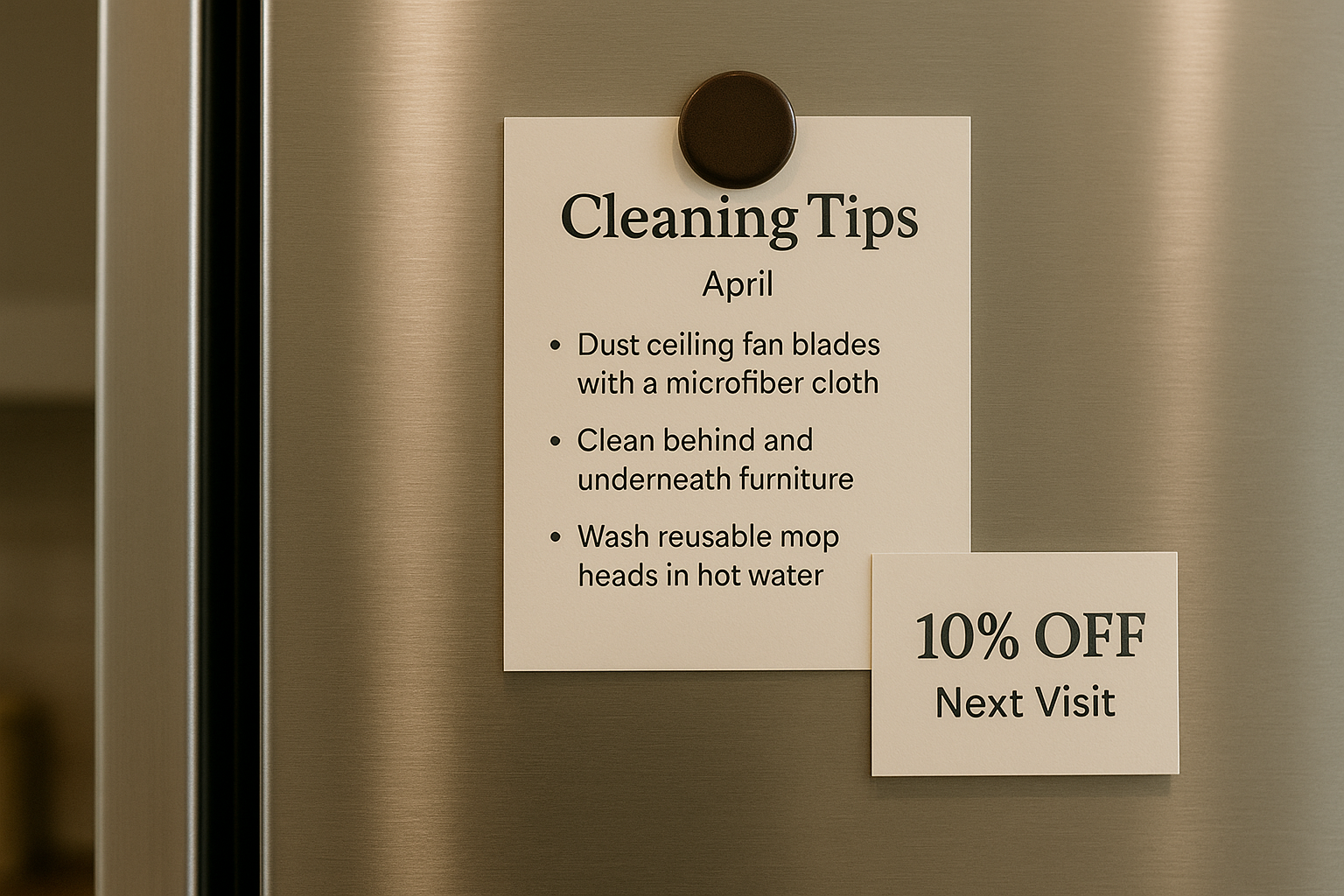
Add them to your monthly update or tips list, where you share cleaning advice, reminders, or small promotions. The tone should always stay personal and helpful, never spammy. A well-timed “We hope you’re enjoying your clean home!” message feels thoughtful, not pushy.
Some business owners send handwritten thank-you cards or small digital coupons for future bookings. These little touches remind clients that behind your company name are real people who care about their experience. That human touch is what earns loyalty in a service industry often filled with inconsistency.
Building Loyalty Is About Connection, Not Perfection
Many cleaning business owners think client loyalty comes from flawless cleaning or the lowest price. In reality, it comes from trust, reliability, and thoughtful communication.
The way you handle a client’s first week determines whether they see you as “someone who cleaned once” or “their cleaning professional.” That distinction is everything.
When you make onboarding deliberate and personal, you stop chasing new customers every month — because the ones you already have stay.
