

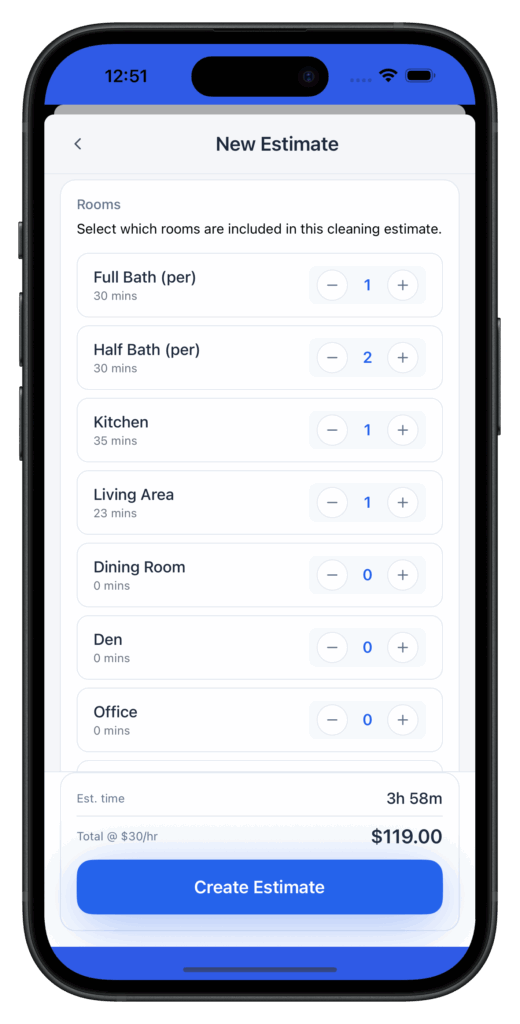





If you’re tired of answering the same questions, fixing sloppy jobs, or being the only one who “knows how it’s done right,” you’re overdue for a solid SOP system.
When I started my cleaning business solo, I didn’t think I needed standard operating procedures (SOPs). After all, I was the only one doing the cleaning. But once I started hiring, I realized the chaos that comes without them—missed tasks, confused employees, and unhappy clients. SOPs saved my business.
Here’s exactly how I built cleaning SOPs that:
- Cut training time by more than half
- Helped new hires clean confidently from Day 1
- Made clients feel like I was still doing the job myself
Let’s break it down step by step.
SOP 1: Standard Residential Cleaning Checklist
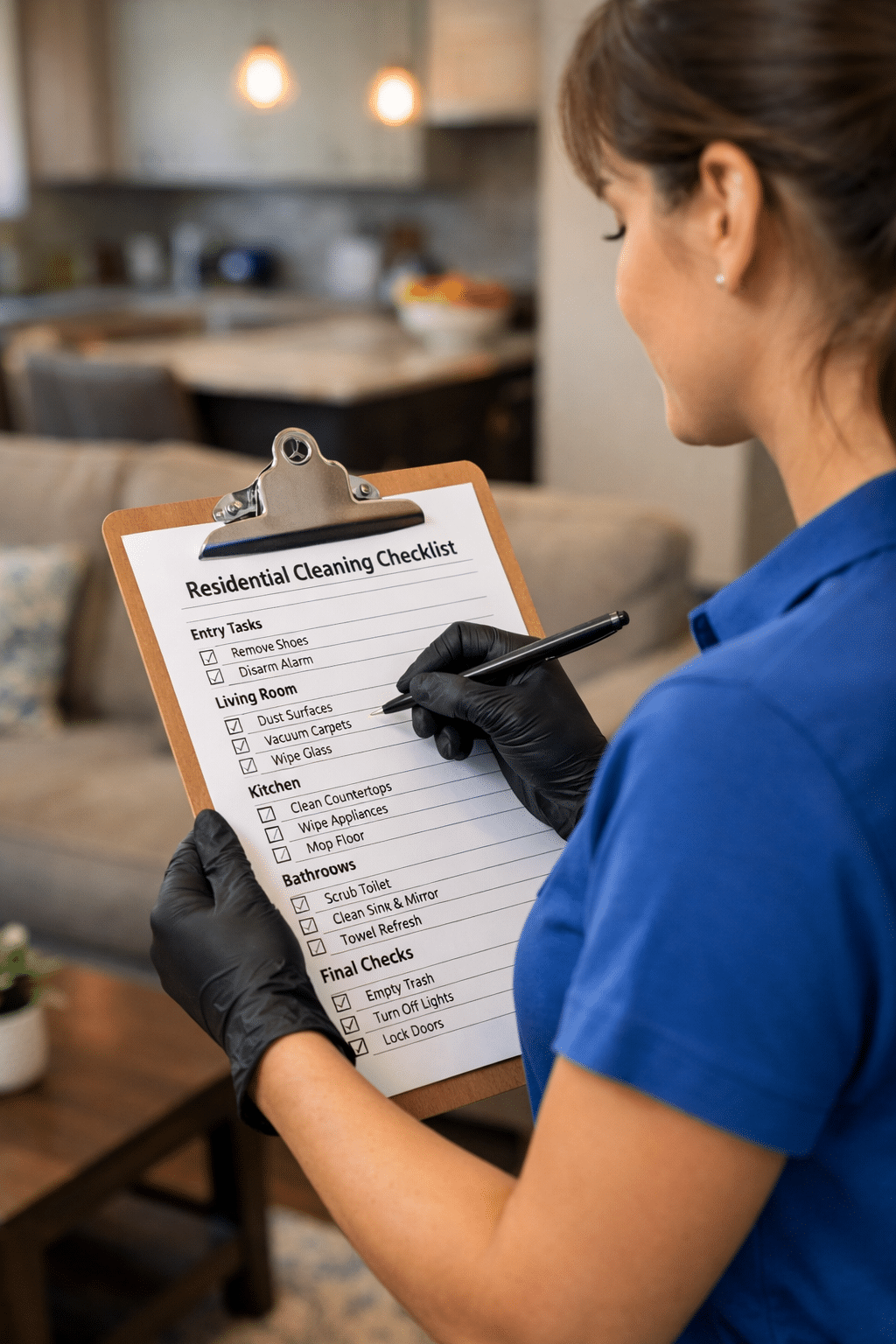
Every cleaning team needs a rock-solid routine for regular house cleaning. This is your bread-and-butter service, so it has to be tight.
What to include:
- Entry process (shoes off, greet client, alarm code)
- Room-by-room tasks (dust, wipe, vacuum, mop)
- Final checks (lights off, trash out, lock-up procedure)
Tip: Create this as a printable checklist your team can physically carry—or better yet, use a digital form they check off on their phone.
Real Example:
In my business, I split the SOP into sections by room and checklist style. The cleaner checks a box after completing each task. If something isn’t applicable (like wiping baseboards weekly), they mark it as N/A. This makes things crystal clear during training.
SOP 2: Deep Cleaning Breakdown
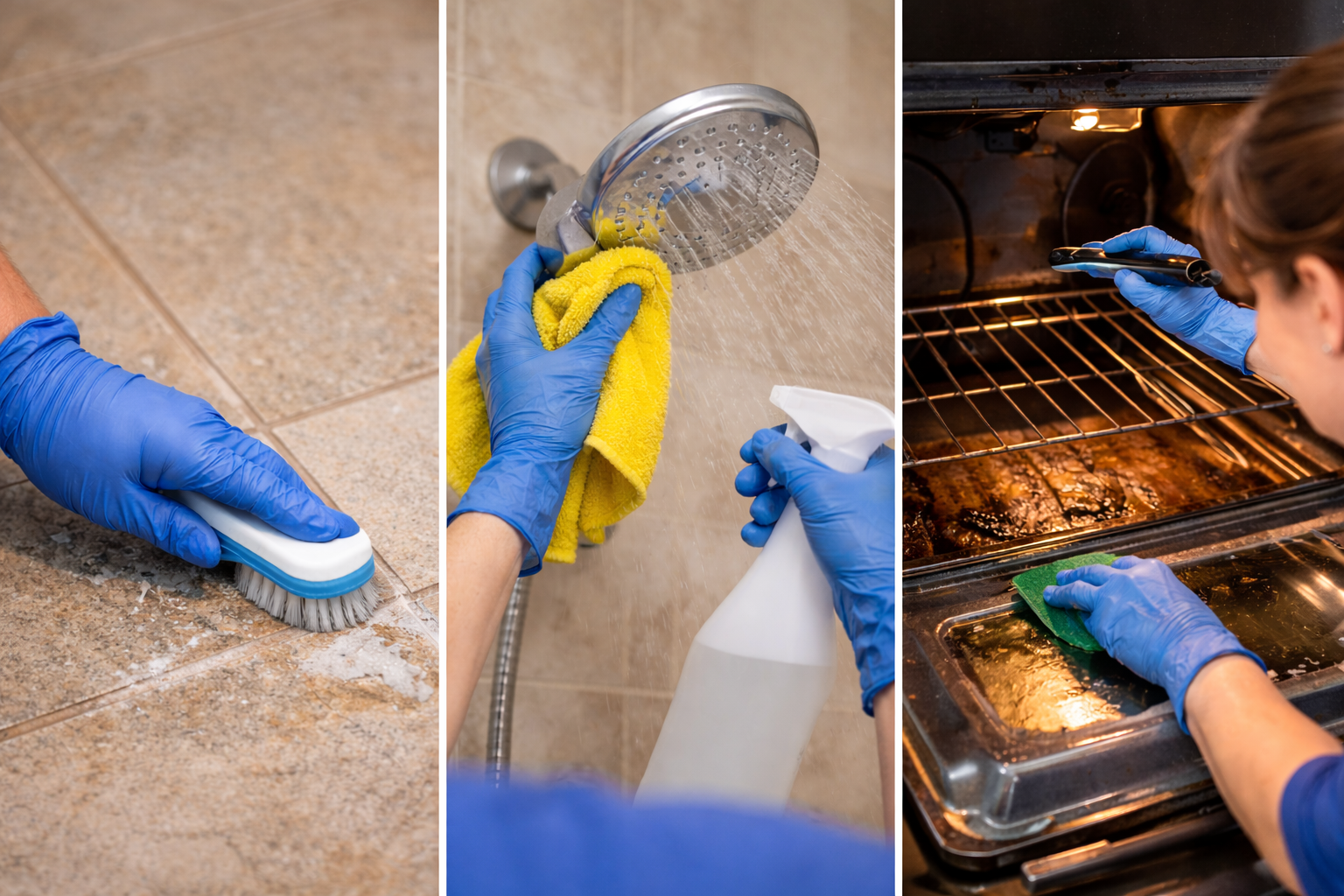
Deep cleans take longer and cover more detail—but most new hires won’t know what “deep” really means. That’s why this SOP should remove all ambiguity.
Break it down:
- Baseboards, vents, door frames
- Inside oven, fridge, cabinets
- Scrub grout, descale showerheads
- Dust ceiling fan blades and wall corners
Include timing benchmarks:
- “Spend 45–60 minutes in the kitchen”
- “Use degreaser for appliance detailing”
This sets the tone for expectations and pacing.
Internal Tip:
Add a checklist for required tools (like a scraper blade, microfiber detail brush, toothbrush). This way, your team doesn’t show up under-equipped.
SOP 3: Move-In/Move-Out Clean Structure
These jobs come with high expectations—and empty homes reveal everything. One fingerprint on a glass door can ruin the impression.
Key inclusions:
- Spotless appliances (inside + out)
- Inside cabinets and drawers
- Wipe baseboards, wall scuffs, outlets, light switches
- Vacuum all vents and closets
Also include:
- Photo documentation of pre-existing damage
- Checklist for final walkthrough
Real-World Tip: I require cleaners to take 5 final photos after each move-out—kitchen, bath, floors, windows, entryway. It keeps everyone accountable.
SOP 4: Vacation Rental Turnover Protocol
Hosts expect hotel-level results with Airbnb speed. This SOP is mission-critical if you’re doing turnovers.
Checklist must-haves:
- Strip beds, remake hotel-style
- Check for guest belongings
- Disinfect remotes, light switches, doorknobs
- Refill supplies (TP, paper towels, dish soap, coffee pods)
- Stage towels and décor as requested
Include:
- How to handle linens (onsite laundry vs. drop-off)
- Damage reporting flow (text/photo to you immediately)
Bonus Tip:
Have a printed or digital “Reset Photo Guide” so new hires can match staging exactly (pillows, decor, folded towels).
SOP 5: Commercial/Office Cleaning System
If you do even one small office or salon, this SOP prevents after-hours headaches.
Office-specific inclusions:
- Empty all bins and liners
- Wipe phones, mouse, keyboard, handles
- Disinfect shared areas (kitchenette, copy machine)
- Restroom checklist: toilets, sinks, mirrors, supplies
Security matters:
- Alarm code entry/exit steps
- Who to call for lockout or incident
Small Team Note: Commercial clients often expect consistency. Assign one lead cleaner per location to reduce confusion.
SOP 6: Training & Onboarding SOP
This SOP is for YOU—not your team. It protects your time and makes hiring repeatable.
Outline:
- Day 1: Shadow you on a full job
- Day 2–3: Trainee does 50%, you check and correct
- Day 4+: Trainee solo cleans with spot checks
Include:
- How you introduce your values and expectations
- Timing expectations by room/job type
- “What to do if…” cheat sheet for common problems
Real-Talk: Without this SOP, I wasted hours repeating myself. Once I wrote it down, I hired faster and more confidently.
SOP 7: Quality Control & Client Feedback SOP
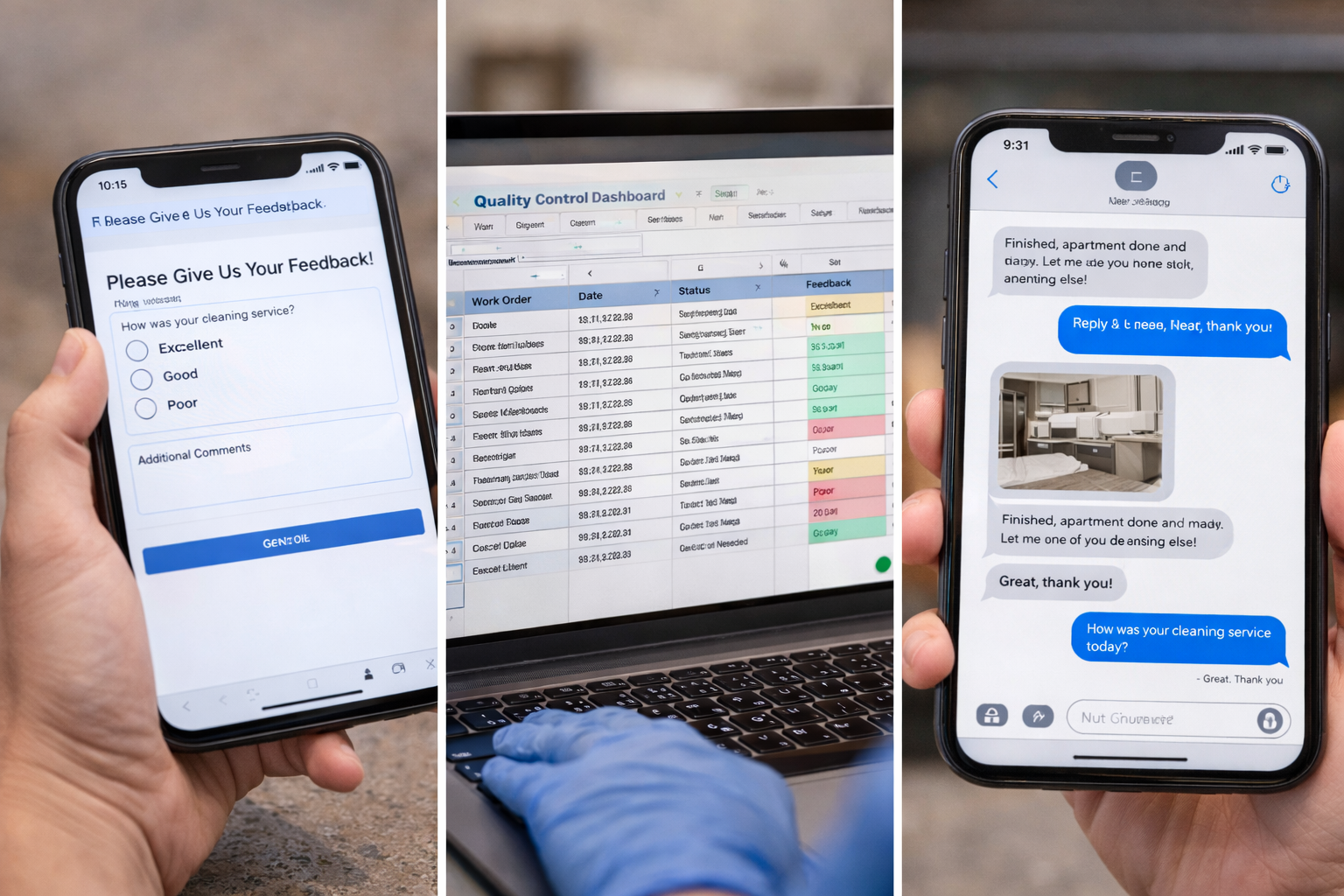
If you want to stop micromanaging, create a system to monitor quality without being there.
Checklist:
- Every 10th clean gets a surprise check
- After each clean, cleaner texts a checklist and photo
- Follow-up call or text to the client: “How was your service today?”
Bonus:
- beforeSet up a Google Form for clients to give feedback anonymously
- Keep a simple dashboard (Google Sheet works) to track re-cleans, complaints, and compliments
Impact: This SOP alone cut our complaints by 80% in 6 months.
Bonus: 3 Tools I Use to Deliver SOPs
- Google Docs: Each SOP lives in a sharable doc. Easy to update.
- Notion: My SOP dashboard with videos, checklists, and reference images.
- Loom: Quick video walkthroughs of complex tasks (like staging beds or oven detailing).
Make sure whatever tool you use is mobile-friendly.
Final Thoughts: SOPs Create Time, Trust, and Growth
Building SOPs was the turning point between being a stressed solo cleaner and becoming a confident business owner. When everyone follows the same steps, quality goes up, stress goes down, and scaling gets easier.
Don’t wait until you’re overwhelmed. Start with one SOP this week—then build from there.
