

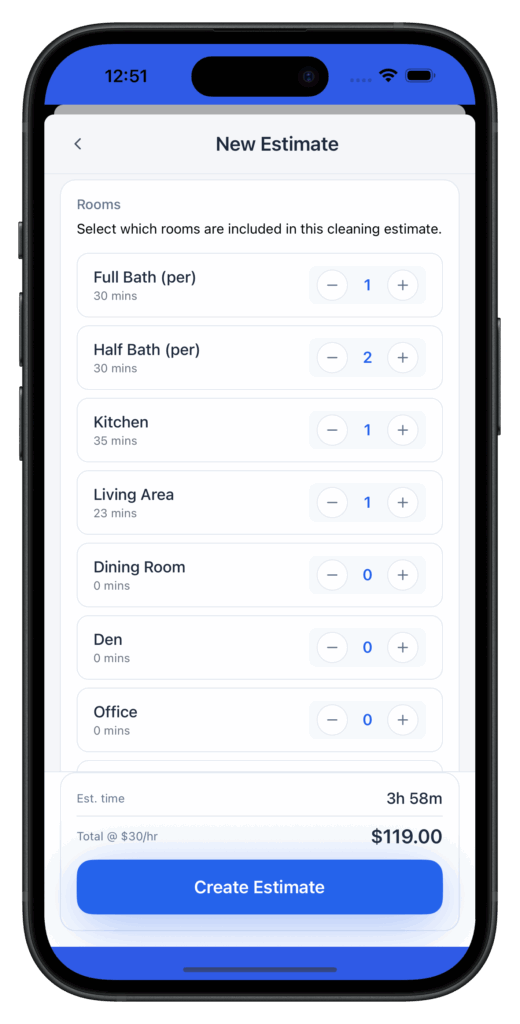





Most cleaning business owners start the same way: with a mop in one hand and a dream in the other.
But too many get stuck.
You’re still doing every walk-through, every deep clean, every follow-up. You’re the admin, the marketer, the technician, the bookkeeper — and the person running late to appointments because you’re stretched so thin.
At some point, you have to make a choice: keep grinding as a cleaner forever, or start running a business that works without you cleaning every toilet yourself.
Making that shift isn’t easy. But the rewards — time freedom, financial growth, a team that runs smoothly — are worth it.
Here are 7 hard but necessary truths to move out of the “I do everything” trap and grow into a real business owner.
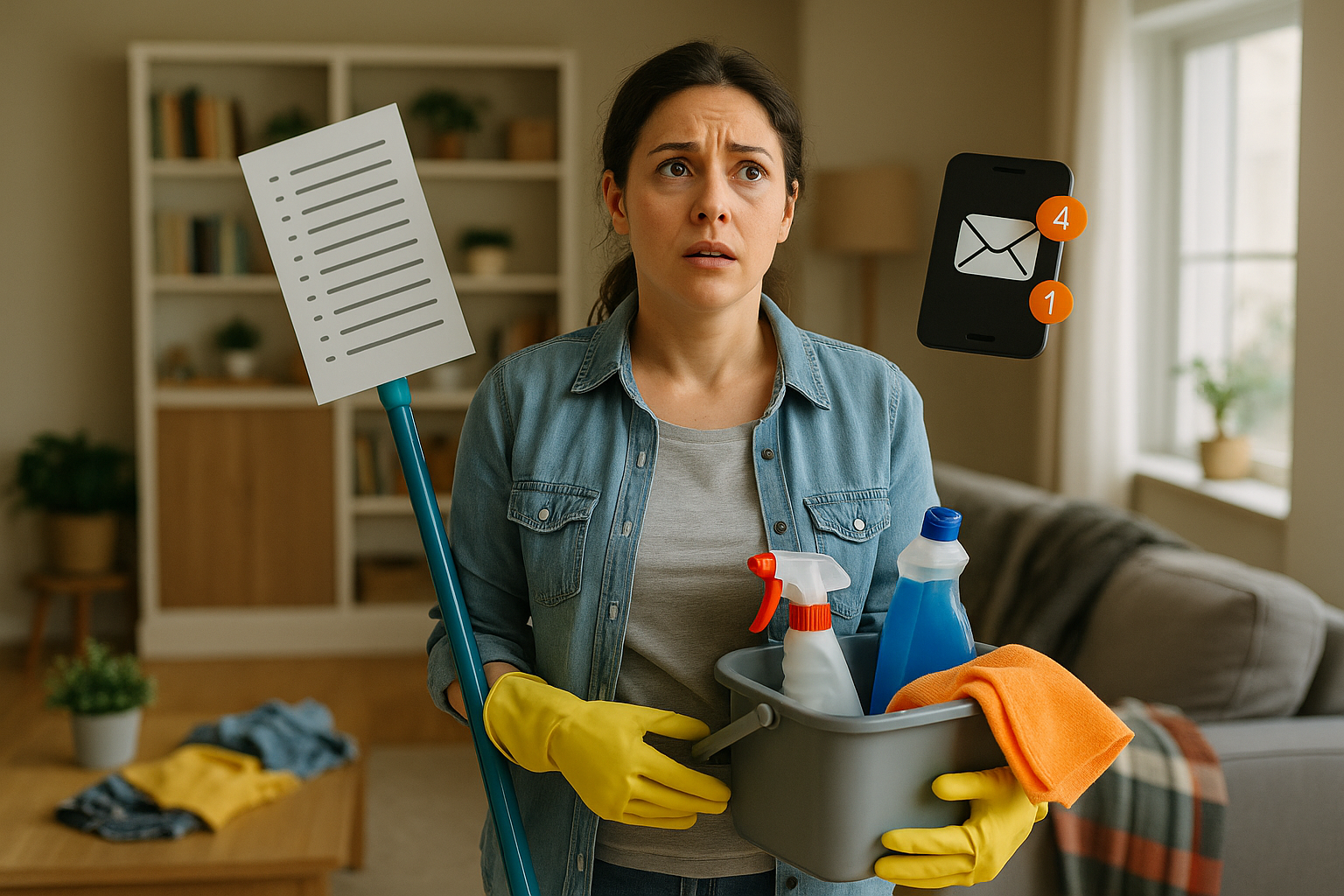
1. Doing It All Yourself Is Not Noble — It’s a Growth Killer
Most owners wait too long to hire help.
You tell yourself:
- “No one cleans like I do.”
- “Clients only want me.”
- “I can’t afford to hire someone.”
But staying stuck in that mindset limits your income and guarantees burnout.
🔹 Fact: According to a 2024 Jobber Home Service Report, cleaning businesses with 2+ employees earned 2.8x more in gross revenue than solo operators.
Letting go of control doesn’t lower quality — it multiplies your capacity.
2. Your Time Is Too Valuable to Be on the Schedule
When you’re working in the business (cleaning), you’re not working on the business (marketing, hiring, systems).
High-value tasks that only the owner can do — like raising prices, onboarding new clients, and hiring staff — get pushed to the bottom of the list because you’re booked 6 hours a day on-site.
💡 Exercise: Track every hour of your week for 7 days. Then label each task as:
- $10/hour work (cleaning, laundry, errands)
- $100/hour work (sales calls, networking, client onboarding)
- $1,000/hour work (hiring, pricing strategy, automation)
If 90% of your time is spent on $10/hour work, you’re bottlenecking growth.
3. Clients Buy Outcomes, Not You Personally
The fear of handing off clients is real. But clients aren’t hiring you because your name’s on the invoice — they want:
- A reliable service
- A clean home or office
- Peace of mind
If your business has strong systems and consistency, someone else can deliver that outcome.
🔹 A great system makes your team replicable — not replaceable, but reliable.
Try this: Start introducing your techs to clients gradually. Show up together, let the client see they’re competent, and build trust over time.
4. Systems Replace Hustle
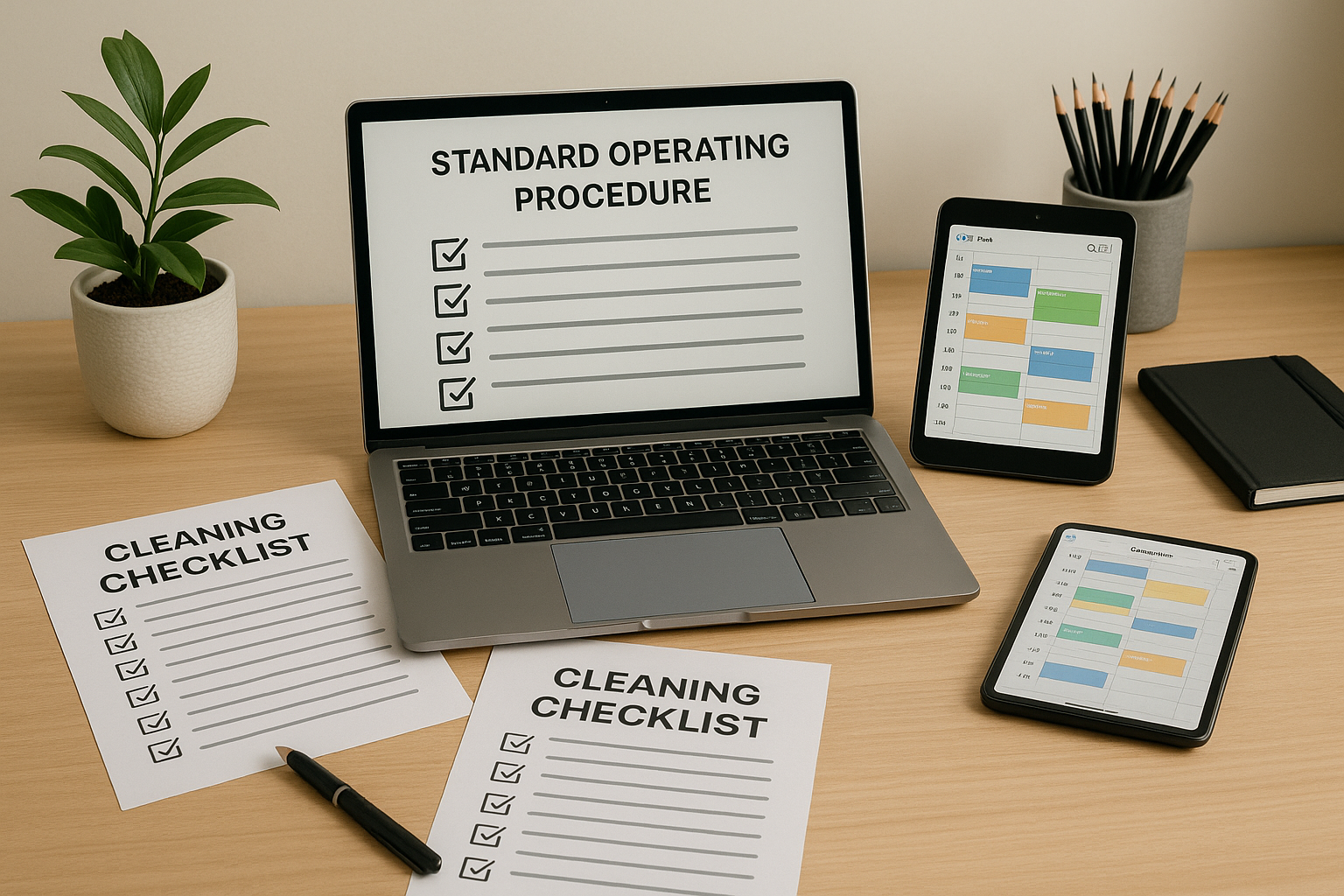
Most solo cleaners operate on hustle:
- Text reminders sent manually
- Paper checklists
- Last-minute route changes
- Chasing payments
A real business runs on repeatable, predictable systems.
That means:
- Automated scheduling and reminders
- SOPs (standard operating procedures) for every job
- Templates for quoting, hiring, and client onboarding
Without systems, growth just means more stress.
With systems, growth becomes scalable.
5. Leadership Is a Skill — and It Starts with You
Becoming a boss is awkward at first.
You might struggle with:
- Delegating without micromanaging
- Correcting staff without sounding mean
- Training without doing it all for them
But here’s the truth: You can’t build a great team without becoming a better leader.
🧠 Start here:
- Read books like The E-Myth or Leaders Eat Last
- Practice giving feedback weekly, not just when things go wrong
- Hire slow, train well, fire fast (if necessary)
Your business reflects your leadership. As you grow, so will your team.
6. Pricing for Growth Means Charging More Than You’re Comfortable With
Many owners undercharge — not because they don’t know better, but because they fear losing clients.
But here’s what actually happens when you raise prices strategically:
- You attract better clients
- You afford better staff
- You stop resenting the work
🔹 Stat: As of 2025, the average recurring house cleaning service in the U.S. ranges between $135–$210 per visit for a 2bd/2ba — yet many solo cleaners still charge under $100.
Stop charging for time. Start charging for value.
7. There’s No Perfect Time — Start Letting Go Now
There’s always a reason to delay:
- “I’ll wait until tax season is over.”
- “I just need to get through this big job.”
- “I’m not ready yet.”
But here’s the truth: Growth is messy. There’s no clean break between cleaner and CEO — just small shifts, made consistently.
Try this:
- Hire a helper for one job a week
- Outsource admin to a VA for 5 hours/week
- Stop taking every single new client yourself
Test. Tweak. Repeat. Progress beats perfection.
🔧 Tools That Help You Shift From Technician to Owner
Here are some tools real owners have used to successfully make the transition:
| Task | Recommended Tool |
| Scheduling & Reminders | Calendly, Google Calendar |
| Quoting & CRM | Jobber, ZenMaid, or Google Sheets |
| SOP Storage | Notion, Trello, Google Docs |
| Payments | Stripe, Square, QuickBooks |
| Hiring | Indeed, Facebook Groups, WizeHire |
🧠 Real Stories from the Field

Reddit cleaning business owners often share the exact moment they realized they had to stop doing everything:
“When I got COVID and couldn’t clean for 2 weeks, I lost $4K. That’s when I knew I needed to build a team.”
— u/CleaningCrewNC
“Once I hired my first helper, I realized how much faster we were — and how much more I could focus on building systems.”
— u/SparkleAndScale
These are not overnight changes. But they’re necessary ones.
🔁 Your Next Steps
Ready to start operating like an owner?
Here’s a practical 30-day transition plan:
Week 1: Audit & Delegate
- List all tasks you do weekly
- Categorize into Admin / Cleaning / Owner Work
- Delegate or eliminate 20% right away
Week 2: Build SOPs
- Document how you clean a kitchen
- Write your client onboarding process
- Create a training checklist
Week 3: Hire Help
- Post a job ad
- Interview 2–3 people
- Start with 1–2 jobs per week
Week 4: Review & Adjust
- Review what worked
- Where did you save the most time?
What can you delegate next?
